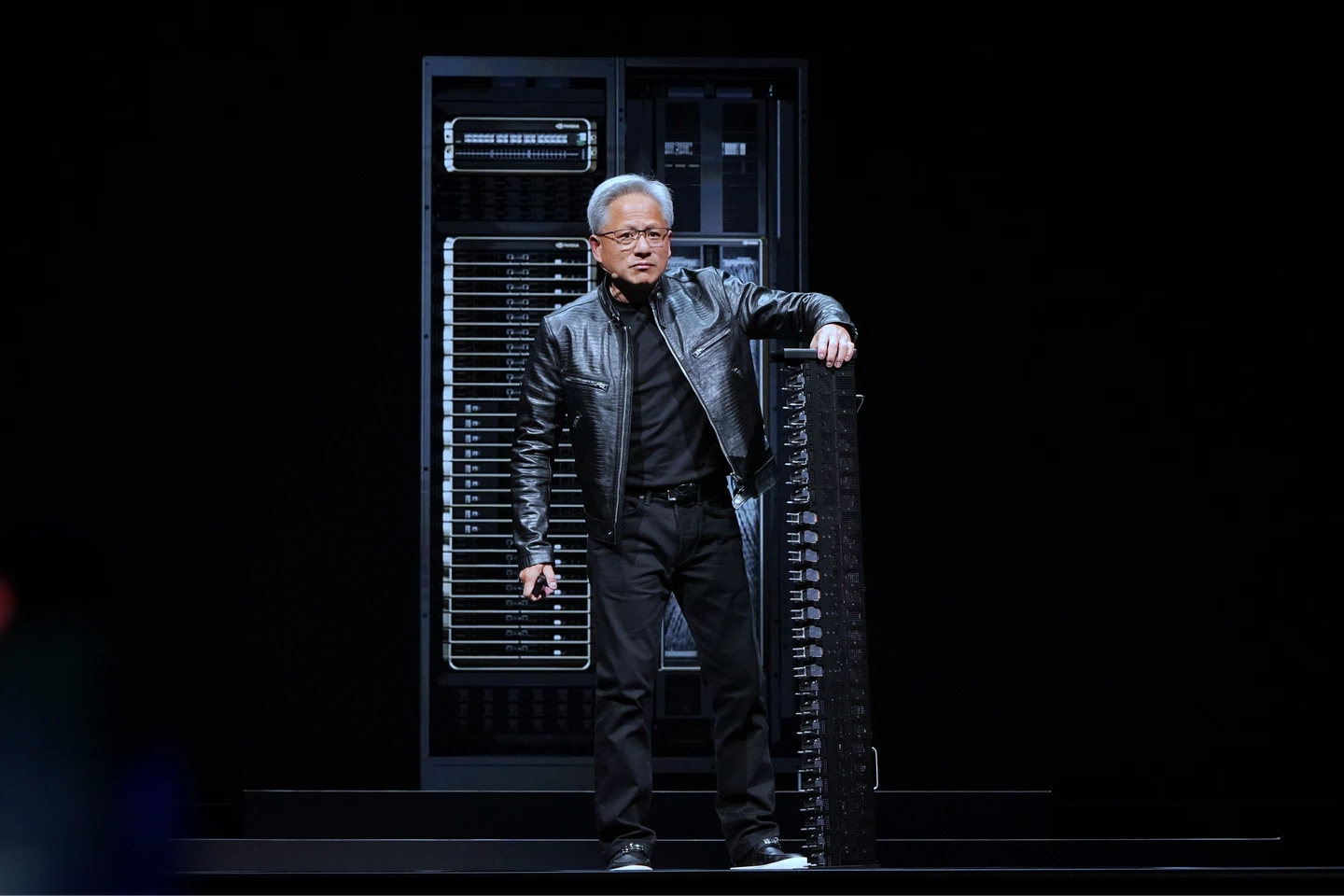


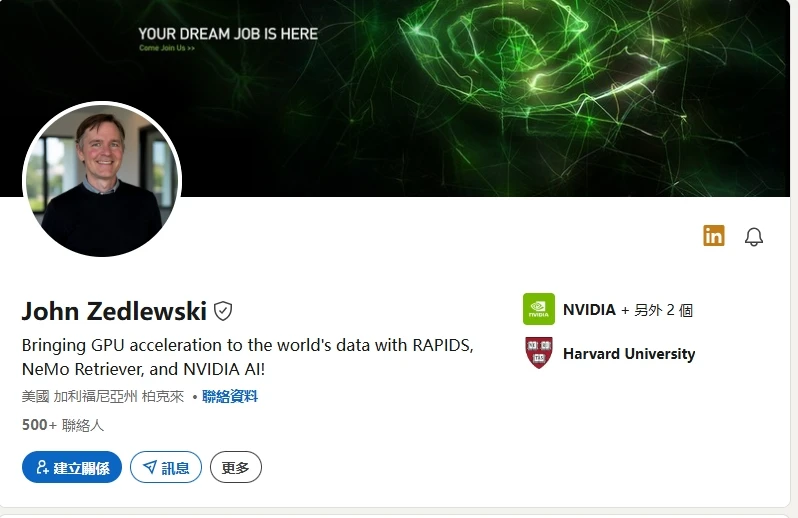
這名主管是輝達加速資料科學副總裁澤德萊夫斯基(John Zedlewski),他在社群媒體X透露自己罹患特別棘手的癌症,去年曾因病情嚴重而住院。黃仁勳得知這項消息後動用史丹福大學人脈,讓澤德萊夫斯基能避開繁瑣流程,參加一項臨床試驗,結果證明這項試驗很適合他。
澤德萊夫斯基表示,大家都能對最近發生事件有自己的看法,但批評黃仁勳未真正關心員工大錯特錯。澤德萊夫斯基說:「對我而言,用文字不足以表達我對他的感激。」
I have a particularly nasty case of cancer. When I was hospitalized again at my lowest point last year, I told Jensen. He immediately reached out to contacts at Stanford, who were able to cut through red tape, and get me into a clinical trial for which I've turned out to be a perfect fit. I think everyone can have their own views about recent events. But any claims that Jensen did not really care about his staff is simply inaccurate. I, personally, owe him more than I can express. I think the best tribute we can pay to Jensen's legacy is to drive NVIDIA's continued success and push the whole industry forward, by showing we've learned the lessons from years of working here. We will compare ourselves against Speed of Light. The mission will be the boss. And we will not be scared to take smart, bold risks and fail fast with ruthless intellectual honesty. But if there is one management story I remember the most, it's a particular Jensen grilling from my time in autonomous vehicles that stayed with me. Luckily I was not in the hot seat for this one. Team A didn't want to use Team B's framework, because they thought it was too slow. Jensen was surprised - it's just applying a bunch of optimized CUDA kernels in sequence, how could it be slow? So he asked the executive from team B to draw the entire data flow sequence from their framework on the whiteboard and highlight every memcpy. Sure enough, there were a bunch of unnecessary memcpy's surrounding each pipeline stage. Everyone in the room could see why it wasn't getting to SoL and a path to improve things. No arguing about fiefdoms or appeals to authority - the data got us all on the same page. The lesson was not (just) that unnecessary memory copying is bad. It's that executives should not be afraid to probe into details if something doesn't add up, and leaders need to be technical enough and honest enough to engage in real time and not turn every meeting into "I'll get back to you in a week." If that means counting memcpy's with a billionaire CEO, so be it. My best executive meetings at NVIDIA have been when I'm fully prepared to present every detail of my team's work, and my worst failures have come when I realized I couldn't go deep enough to really solve the problem. But the thing that gives me confidence is that Jensen was never the only one to live this philosophy. Anyone who has presented to an SVP at NVIDIA knows they are at risk for getting grilled on fundamental constraints and technical details. I have been part of amazing conversations with both recent and old timer leaders where we were able to get to the core of a problem in an hour rather than a month, because we had the right people in the room and were not afraid to go deeper. The company is filled with supremely talented people who have been trained for 3 decades to work at the highest level, and you can see it in what we produce every day. I'm so proud to be an NVIDIAn, and I can't wait to show off what we ship in the coming months and years.
— John Zedlewski (@zstats) November 13, 2026
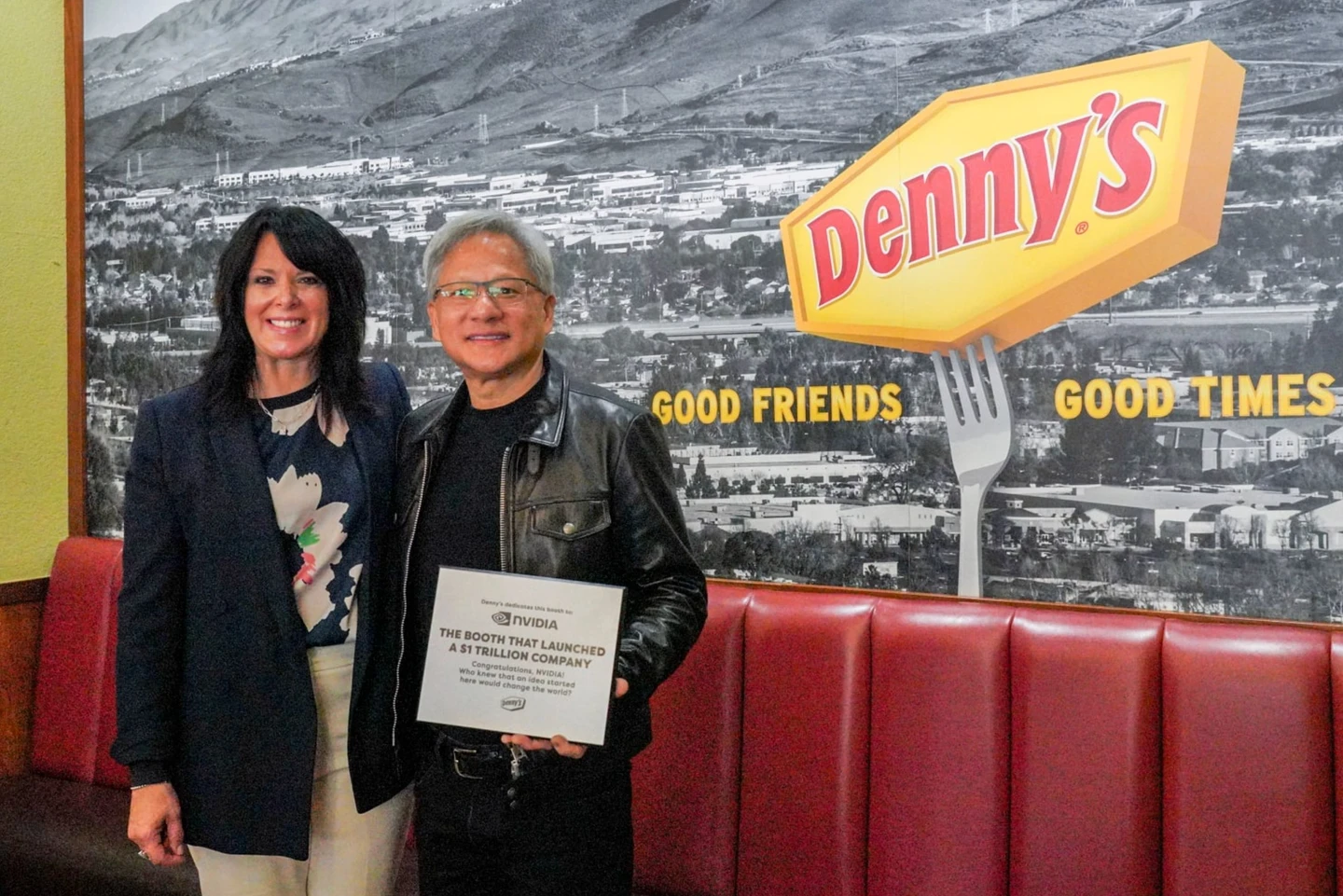
🔗 延伸閱讀《黃仁勳陷醜聞台美店家兩樣情 台灣豆花店保留合照、美國創業餐廳卻撤紀念牌》
透露黃仁勳協助快速解決問題
澤德萊夫斯基也分享一則他投入自動駕駛車計畫時的插曲,透露當時A團隊不想使用B團隊框架,因為A團隊認為速度太慢。黃仁勳對此感到驚訝,認為這不就是依照順序執行最佳化後的CUDA核心,怎麼可能會慢?
黃仁勳於是要求團隊B主管把框架完整資料流序列畫在白板上,並標示每個記憶體複製(memcpy),結果發現每個管線階段都有許多不必要的記憶體複製。澤德萊夫斯基說:「沒有人追究責任歸屬,也沒有人訴諸權威,資料讓我們達成共識。」
澤德萊夫斯基指出,這個故事的教訓是如果出了問題,高階主管不應害怕探究細節,領袖也需要夠懂技術及夠誠實,能即時參與討論,而不是把每場會議變成「我一周再回覆你」。
🔗 延伸閱讀《「Stand with Jensen」網站逾6萬人請願讓黃仁勳回歸 馬斯克也連署》
🔗 延伸閱讀《傳輝達員工請願讓黃仁勳回歸 馬斯克也聲援「我會簽署」》
輝達主管重視細節
澤德萊夫斯基表示,他在輝達表現最好的高階主管會議,都是在他已做好萬全準備,能展示團隊成果所有細節的情況下完成。澤德萊夫斯基透露,黃仁勳不是輝達唯一奉行這個理念的人,任何曾向資深副總裁彙報的人都知道,可能被追問基本限制與技術細節。
澤德萊夫斯基這篇貼文發布不到12小時查看次數已逼近120萬次,並獲得逾1.1萬個「喜歡」。
🔗 延伸閱讀《輝達邁入後黃仁勳時代 專家指繼任者將面臨兩大挑戰》